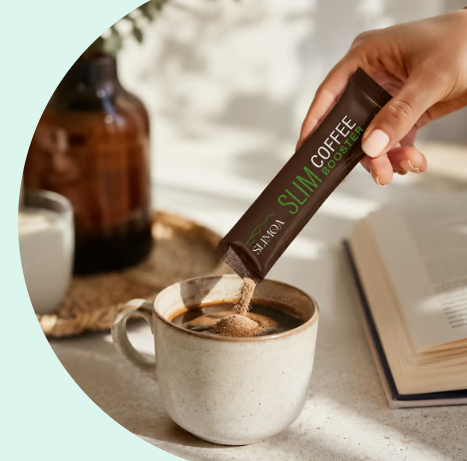
Slimqa Coffee Booster Germany
Slimqa Coffee Booster Germany is positioned in the growing category of coffee-based products marketed toward people who want to support weight
🚀EXCLUSIVE SAVINGS AVAILABLE – CLICK HERE TO GET YOURS TODAY 🚀
SlimQA Coffee Booster in Germany is designed for people looking for a simple addition to their daily routine while working toward their weight-management goals.
Combined with a balanced diet, regular physical activity, adequate hydration, and healthy lifestyle habits, a coffee-based booster may fit conveniently into an everyday wellness routine.
For sustainable weight loss, it is important to focus on realistic calorie intake, nutritious foods, sufficient protein and fiber, regular movement, and consistent sleep rather than relying on a single product.
⭐Where To Buy- Official Website
🎯OverView Performance:★★★☆☆ (3/5)
⭐Product – Slimqa Coffee Booster Germany
🎯Best-Selling Deal is LIVE
🎇Availability — Available online
SlimQA Coffee Booster should therefore be viewed as a supportive part of a broader healthy-lifestyle approach, not as a guaranteed weight-loss solution.
Before using any weight-management product, check its ingredients and follow the manufacturer's recommended serving instructions. If you have medical conditions, take medication, or are pregnant or breastfeeding, consult a qualified healthcare professional before use.
What Is Slimqa Coffee Booster?
Slimqa Coffee Booster can be described as a coffee-based weight-management product.
However, the exact formulation, caffeine content, serving size, and active ingredients should be checked against the current product packaging or official manufacturer information before making specific claims about the product.
That distinction matters because coffee-based slimming products can vary substantially. Some are essentially instant coffee with added ingredients, while others may contain plant extracts, vitamins, minerals, sweeteners, or other compounds intended to support metabolism or appetite control.
Rather than assuming that every ingredient in a slimming coffee produces weight loss, consumers should look at the evidence for each ingredient and consider the complete formula.
Can Coffee Help With Weight Loss?
There is scientific interest in the relationship between coffee, caffeine, metabolism, and body weight.
Caffeine is a stimulant that affects the central nervous system. Research has found that caffeine intake can influence energy expenditure and fat metabolism, which provides a possible biological explanation for why caffeinated coffee is sometimes associated with weight-management benefits.
A systematic review and meta-analysis of randomized controlled trials found that caffeine intake may promote reductions in weight, BMI, and fat mass, although the
studies showed substantial variation between participants and results.
However, this should not be interpreted as meaning that drinking a particular slimming coffee automatically causes significant fat loss.
The distinction is important:
Caffeine may have a modest effect on energy expenditure, but sustainable weight loss still depends primarily on overall calorie intake, food quality, physical activity, sleep, and long-term adherence.
Why Caffeine Is Relevant to Weight Management:
Caffeine may influence weight management through several mechanisms.
1. Temporary increase in energy expenditure
Caffeine stimulates the nervous system and can temporarily increase energy expenditure. The effect is generally modest and can vary depending on factors such as body size, habitual caffeine consumption, genetics, and tolerance.
This means caffeine should be considered a potential supporting factor rather than a standalone fat-burning solution.
2. Fat oxidation
Caffeine can increase the availability and oxidation of fatty acids under certain conditions. This is one reason caffeine is commonly included in products marketed for exercise and weight management.
🚀EXCLUSIVE SAVINGS AVAILABLE – CLICK HERE TO GET YOURS TODAY 🚀
But increased fat oxidation at a particular moment does not necessarily translate into substantial long-term fat loss. Overall energy balance remains important.
3. Exercise support
Caffeine is also widely studied for its potential effects on exercise performance. If a caffeinated coffee helps someone feel more energetic before physical activity, it may indirectly support a weight-management routine.
For example, a person might find it easier to complete a brisk walk, cycling session, gym workout, or other exercise after consuming coffee.
The benefit here is practical: better exercise consistency can contribute to better long-term weight management.
4. Replacing higher-calorie drinks
One of the simplest ways coffee can fit into a weight-loss plan is through substitution.
Unsweetened coffee is relatively low in calories. Replacing a sugar-sweetened soft drink, high-calorie flavored coffee, or another calorie-dense beverage with plain coffee can reduce daily calorie intake.
The opposite can also happen.
Adding large quantities of sugar, cream, syrups, or calorie-dense toppings can turn coffee into a substantial source of calories.
Therefore, how Slimqa Coffee Booster is prepared matters just as much as the coffee itself.
What Does the Research Say About Coffee and Obesity?
The scientific evidence is more nuanced than many slimming-coffee advertisements suggest.
A systematic review and meta-analysis involving more than 200,000 adults found no significant overall association between coffee consumption and general or abdominal obesity in the analyzed cross-sectional studies.
Meanwhile, a network meta-analysis of randomized trials found that coffee, decaffeinated coffee, and green coffee were not clearly effective for weight loss compared with placebo or other beverages, with the certainty of evidence ranging from low to very low.
Taken together, these findings suggest a sensible conclusion:
Coffee may have properties that support energy expenditure and fat metabolism, but coffee alone should not be presented as a powerful or guaranteed weight-loss treatment.
This is especially important when evaluating products advertised with dramatic promises.
Slimqa Coffee Booster and a Calorie-Controlled Diet
If you are using Slimqa Coffee Booster as part of a weight-loss routine, the most important factor remains your overall dietary pattern.
For example, a sustainable plan might emphasize:
- Vegetables and fruit
- Whole grains and other high-fiber foods
- Appropriate portions
- Healthy sources of dietary fat
- Adequate hydration
- Fewer highly processed, calorie-dense foods
- Limited sugary beverages
- Regular physical activity
A coffee product can potentially fit into this routine, but it should complement these habits rather than replace them.
A practical example:
Imagine someone drinks a sweetened beverage every afternoon that contains several hundred calories. Replacing that beverage with an appropriately prepared low-calorie coffee could reduce daily energy intake.
Over time, repeated small changes can matter.
By contrast, drinking a slimming coffee while continuing to consume excessive calories from snacks, desserts, alcohol, fast food, and sugary drinks is unlikely to produce dramatic results.
Does Slimqa Coffee “Burn Belly Fat”?
Claims about specifically burning belly fat should be treated cautiously.
The body does not allow consumers to choose exactly where stored fat is removed. Losing abdominal fat generally occurs as part of overall fat loss rather than because a particular beverage selectively targets the stomach.
Some research has investigated coffee consumption and abdominal obesity, but the evidence does not justify claiming that coffee directly melts belly fat. The systematic review mentioned earlier did not find a significant overall association between coffee intake and abdominal obesity.
Therefore, phrases such as “target belly fat,” “melt stomach fat,” or “lose belly fat without exercise” should not be accepted without strong product-specific clinical evidence.
What About Green Coffee?
Some weight-management coffees contain green coffee extract or green coffee bean ingredients.
Green coffee has attracted attention because unroasted coffee beans contain chlorogenic acids. Researchers have investigated whether these compounds can influence body weight.
However, the evidence is not especially strong. An earlier systematic review of green coffee extract trials identified only a small number of eligible studies and noted that the studies had a high risk of bias.
That means green coffee should not automatically be treated as a proven fat-burning ingredient.
🚀EXCLUSIVE SAVINGS AVAILABLE – CLICK HERE TO GET YOURS TODAY 🚀
If Slimqa Coffee Booster contains green coffee extract, consumers should look at the actual standardized amount and the manufacturer's evidence rather than assuming that the ingredient guarantees weight loss.
How to Evaluate Slimqa Coffee Booster Germany
Before purchasing or using a coffee-based weight-management product, check the following information.
1. Ingredient transparency
The package should clearly identify the ingredients and quantities per serving.
Be cautious if a product makes major weight-loss claims while providing little information about what is actually inside it.
2. Caffeine content
Caffeine is not automatically better at higher doses.
Too much caffeine can cause unwanted effects such as:
- Nervousness
- Restlessness
- Trembling
- Difficulty sleeping
- Increased heart rate
- Headaches
- Digestive discomfort
Individual sensitivity varies considerably. Follow the manufacturer's recommended serving rather than assuming that taking more will produce faster weight loss.
A higher dose does not necessarily mean better results.
4. Sugar and calorie content
Check whether the product contains added sugar or other calorie-dense ingredients.
A coffee marketed for weight loss should not quietly become a significant source of additional calories.
5. Evidence behind the claims
Look for human clinical studies involving the actual formulation or, at minimum, well-supported evidence for its individual active ingredients.
Evidence from a study on isolated caffeine does not automatically prove that an entire commercial coffee product produces the same results.
Slimqa Coffee Booster: Expectations Matter
One of the biggest mistakes people make with weight-loss products is expecting a dramatic transformation from a single product.
A coffee cannot compensate indefinitely for:
- Consistently excessive calorie intake
- Very low physical activity
- Poor sleep
- Frequent overeating
- High consumption of sugary drinks
- Inconsistent eating habits
A more realistic approach is to view a coffee booster as a potentially convenient addition to an existing weight-management routine.
The goal is not to find a magical drink that does all the work. The goal is to build habits that are realistic enough to maintain for months and years.
How to Use Coffee More Effectively for Weight Management
If coffee works well for you, a few simple habits can make it easier to incorporate into a healthy lifestyle.
Keep it relatively low in calories
Plain coffee or coffee prepared without large amounts of sugar and cream can fit easily into a calorie-controlled diet.
Avoid using coffee to replace proper meals
Using caffeine to suppress hunger throughout the day may backfire for some people and can make healthy eating more difficult.
A balanced diet remains important.
Consider caffeine timing
Because caffeine can interfere with sleep, drinking caffeinated coffee late in the day may be problematic for some people.
Poor sleep can make appetite regulation and healthy eating more difficult, so the ideal timing varies from person to person.
Pair coffee with healthy habits
Rather than treating the coffee as the main event, connect it with a positive routine.
🚀EXCLUSIVE SAVINGS AVAILABLE – CLICK HERE TO GET YOURS TODAY 🚀
For example:
Morning coffee → healthy breakfast → daily walking → balanced meals → adequate hydration → consistent sleep
The overall routine matters much more than any individual beverage.
Is Slimqa Coffee Booster Enough to Lose Weight?
Probably not by itself.
Even when a product contains caffeine or other ingredients with some evidence for metabolic effects, the expected effect is generally modest.
Research on caffeine suggests a possible contribution to weight and fat reduction, but the evidence does not support treating caffeine as a replacement for a comprehensive weight-management strategy.
This is why realistic expectations are important.
A person who loses weight while using a coffee product may be benefiting from the product, but they may also be benefiting from changes in food intake, exercise, sleep, hydration, or other behaviors occurring at the same time.
Who Should Be Careful With Caffeinated Weight-Loss Products?
Not everyone responds to caffeine in the same way.
People who are sensitive to caffeine or who have certain medical conditions should speak with a healthcare professional before using a concentrated caffeinated product.
Extra caution is appropriate for people who:
- Are pregnant or breastfeeding
- Have been advised to limit caffeine
- Experience significant caffeine sensitivity
- Have certain cardiovascular conditions
- Have problems with anxiety or sleep
- Take medications that may interact with caffeine or supplement ingredients
The product label should always be checked for the complete ingredient list and warnings.
Slimqa Coffee Booster Germany: Pros and Cons
Potential advantages
A coffee-based product may be convenient for people who already enjoy coffee. Caffeine may temporarily increase alertness and energy expenditure, and research suggests it can have modest effects on weight-related measures under some conditions.
Coffee can also be a low-calorie alternative to sugary drinks when consumed without substantial additions.
Potential limitations
The evidence for coffee itself as a weight-loss intervention is mixed. Randomized-trial evidence does not establish ordinary coffee as a reliable weight-loss treatment, and observational research has also produced inconsistent findings.
Most importantly, evidence for caffeine or coffee does not automatically establish the effectiveness of a particular commercial product.
Frequently Asked Questions
Can Slimqa Coffee Booster help with weight loss?
It may potentially support a weight-management routine if it contains caffeine or other ingredients with relevant evidence, but it should not be regarded as a guaranteed weight-loss treatment. The exact formulation should be checked before making product-specific claims.
How quickly can I lose weight with Slimqa Coffee Booster?
There is no scientifically responsible way to promise a specific amount of weight loss from a coffee product alone. Weight-loss speed depends on factors including calorie intake, activity, body composition, sleep, age, and individual health.
Does coffee increase metabolism?
Caffeine can temporarily influence energy expenditure and metabolism. However, the effect is generally modest and should not be confused with large-scale fat loss.
Can I drink coffee every day while trying to lose weight?
For many healthy adults, moderate coffee consumption can fit into a weight-management plan. However, individual caffeine tolerance varies, and excessive intake can produce unwanted effects.
Should I add sugar to Slimqa Coffee Booster?
If your objective is reducing calorie intake, large quantities of sugar can work against that goal. Check the product's preparation instructions and consider the total calories in the finished drink.
Does Slimqa Coffee Booster replace exercise?
No. Exercise provides benefits that a coffee product cannot replace, including cardiovascular fitness, muscle strength, physical function, and increased energy expenditure.
🚀EXCLUSIVE SAVINGS AVAILABLE – CLICK HERE TO GET YOURS TODAY 🚀
The Bottom Line
Slimqa Coffee Booster Germany may be appealing to people who want to combine their daily coffee habit with a weight-management routine, but it should be approached realistically.
The strongest evidence around coffee-based weight management relates to caffeine and its potential short-term effects on energy expenditure and fat metabolism.
Some randomized-trial research suggests caffeine may contribute to reductions in body weight and fat mass, but the overall evidence is variable and does not establish coffee as a powerful standalone weight-loss solution.